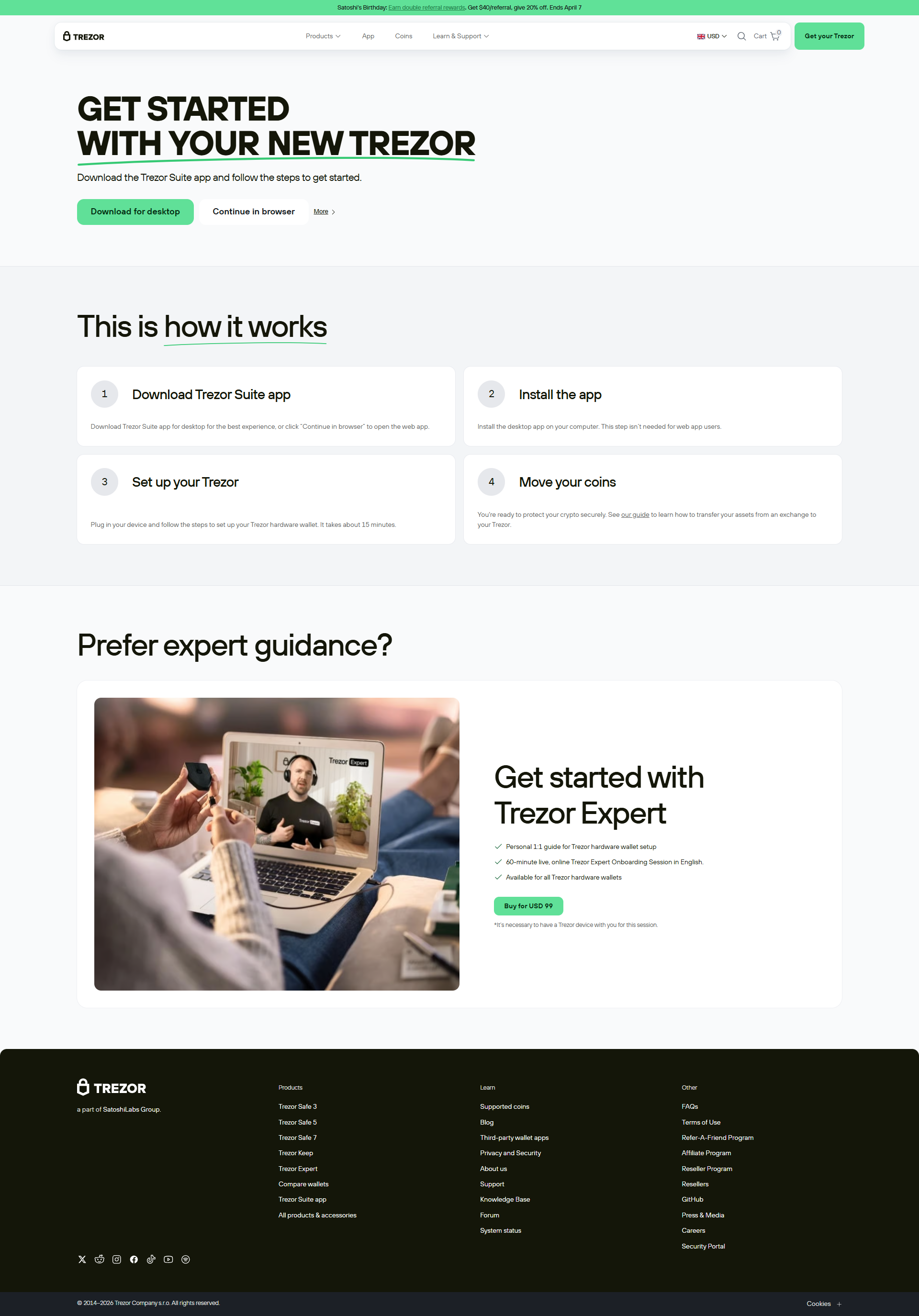
A hardware wallet is most useful when your computer can communicate with it reliably. If a Trezor device is connected but does not appear in the wallet interface, the problem can be frustrating, especially for new users. Trezor Bridge is one part of the communication setup that can help compatible applications interact with a Trezor hardware wallet.
Before making major changes, it is better to work through a few basic checks in an organized order.
Start With the USB Connection
The first thing to check is the physical connection. Make sure the Trezor device is properly connected to your computer with a compatible USB cable.
If nothing happens, try another USB port. A faulty port or cable can make a perfectly functional device appear unavailable.
Avoid assuming that the wallet software is the problem before checking the hardware connection itself.
Confirm Trezor Bridge Is Installed
If your computer needs Trezor Bridge for the wallet environment you are using, verify that it is installed correctly.
This is especially important if you have recently:
- Purchased a new computer
- Reinstalled your operating system
- Removed wallet-related software
- Changed browsers
- Updated your computer
Download or update Trezor Bridge only through trusted official Trezor resources. Avoid third-party download pages that offer modified or unfamiliar versions.
Restart the Wallet Environment
Sometimes a simple restart can refresh communication between the hardware wallet and computer.
Close the wallet interface, disconnect your Trezor device, and reopen the relevant software. Then reconnect the device and check whether it is detected.
If you recently installed or updated Trezor Bridge, restarting the related applications can also help the computer recognize the updated environment.
Check Your Browser
Browser compatibility can also affect hardware wallet communication. If your device was previously working and suddenly stops being recognized, consider whether your browser was recently updated or its settings changed.
Make sure you are using a browser and wallet interface supported by Trezor. If the problem appears only in one browser, comparing the behavior in another supported environment can help identify where the issue originates.
Do not install unknown browser extensions that claim to “repair” wallet connectivity.
Look for Security Software Conflicts
Antivirus programs, firewalls, and other security tools can sometimes affect how applications communicate with connected devices.
If you suspect security software is interfering, review its settings carefully rather than immediately disabling protection. Look for legitimate blocked applications or connection requests and follow the official documentation for your security product.
Never weaken your computer's security simply because an unfamiliar website tells you to do so.
Check the Device Screen
When you connect your Trezor, pay attention to the hardware wallet itself. If the device powers on and displays information normally, that can help narrow down the problem.
When wallet actions require confirmation, carefully review the information shown on the device before approving anything.
The hardware wallet should remain an important verification point during transactions and account management.
Avoid Entering Your Recovery Phrase
Connection problems can create opportunities for scammers to impersonate technical support. Be extremely cautious if someone tells you that your Trezor device cannot be detected unless you enter your recovery phrase into a website or application.
Your recovery information should remain private. Do not type it into online forms, send it through messages, or provide it to anyone claiming to fix a connectivity problem.
If a request seems unusual, stop and consult official Trezor support documentation.
Use a Logical Troubleshooting Order
When Trezor Bridge or your hardware wallet is not working as expected, avoid changing several settings simultaneously. Start with the simplest possibilities and move gradually:
- Check the USB cable and port.
- Confirm the device powers on.
- Verify the required software is installed.
- Restart the wallet interface.
- Check browser and operating-system compatibility.
- Review security software settings.
- Consult official troubleshooting information if the problem remains.
This approach makes it easier to identify the actual source of the issue.
Final Thoughts
A Trezor device that is not detected does not necessarily indicate a serious wallet problem. USB connections, browser changes, software installations, operating-system updates, and security settings can all affect communication.
By checking each part of the setup carefully and keeping your recovery information private, you can troubleshoot Trezor Bridge connectivity issues without taking unnecessary risks. A calm, step-by-step approach is usually the best starting point.